Every Sunday, The Flyback aims to answer a simple question that modern watch enthusiasts quietly ask themselves: what does interesting watchmaking look like right now, beyond the hype lists and the usual suspects? This edition offers a surprisingly complete answer. In one sweep we move from a tongue-in-cheek dress watch that literally prints cuff etiquette on the dial, to a new pilot GMT from Germany using a traveller movement, to a neon pocket watch raising money for British horology, to a design-forward Swiss regulator, and finally to a one-off minute repeater that exists mostly to prove what obsessive handcraft can still do in the 21st century.
Taken together, these five watches show how far the hobby has come from the old binary of steel sports versus gold dress pieces. They also speak to the themes collectors actually talk about today: independent brands, playful collaborations, value propositions, daily-wear capability and the enduring appeal of high horology that does not even pretend to be rational.
Raymond Weil Toccata Heritage x seconde/seconde/: A Dress Watch That Roasts Your Cuff
Dress watches used to be the most conservative corner of watchmaking. 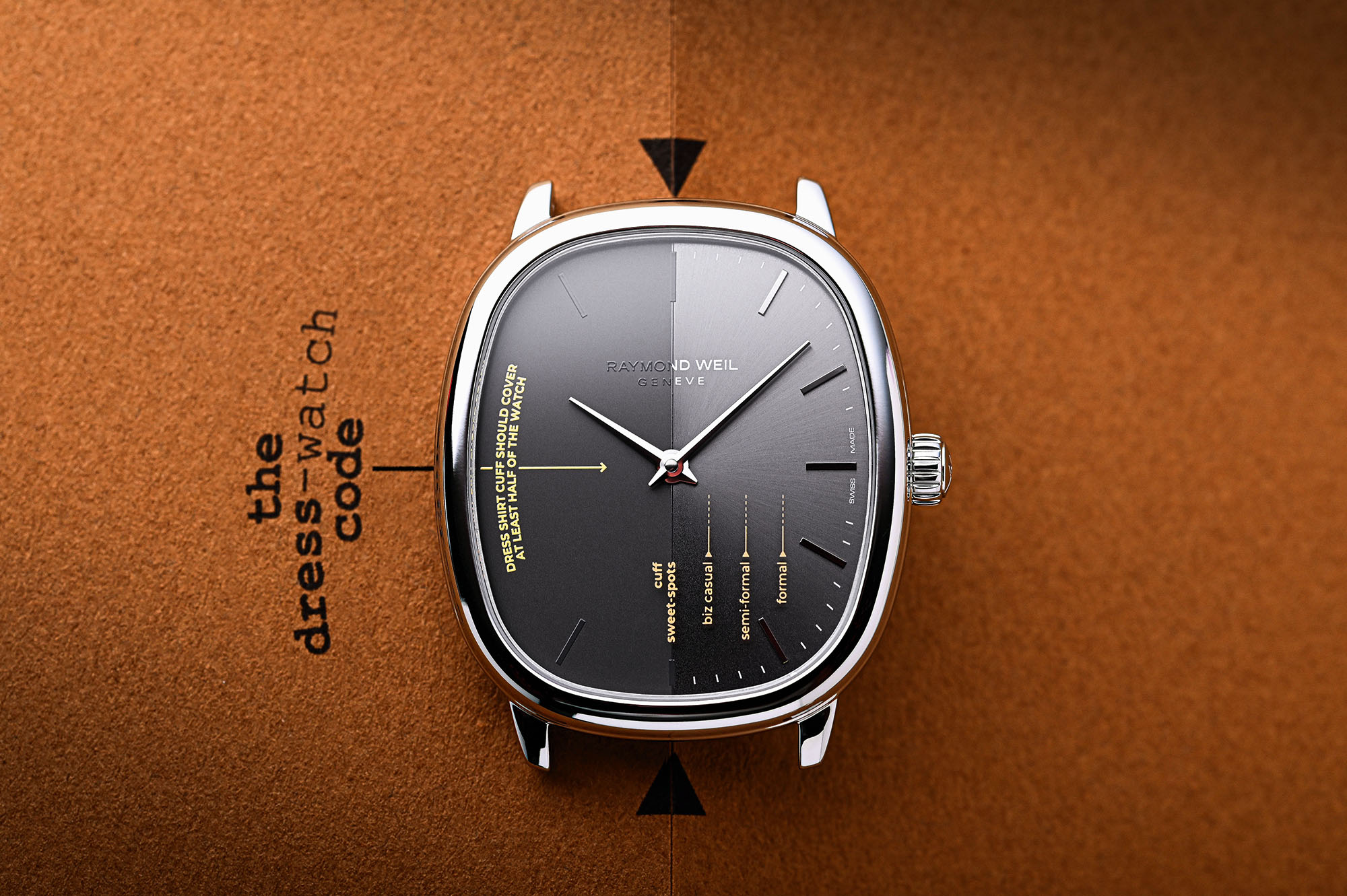
The rules were treated almost like law: slim case, small diameter, discreet dial, and above all, the case should disappear neatly under a shirt cuff. The joke was that the best dress watch is the one nobody notices. In 2020s collecting, that attitude is starting to look a little dated. Enter the Raymond Weil Toccata Heritage x seconde/seconde/, a collaboration that keeps the classic footprint but adds a very modern sense of humor.
The case itself is restrained and traditional. At 33 by 38 millimetres, the rectangular Toccata Heritage wears close to the wrist and hits that sweet spot where it feels formal without being fragile. On paper it is exactly the sort of watch you would expect to see at weddings, black tie dinners and formal office settings. Where things get interesting is on the dial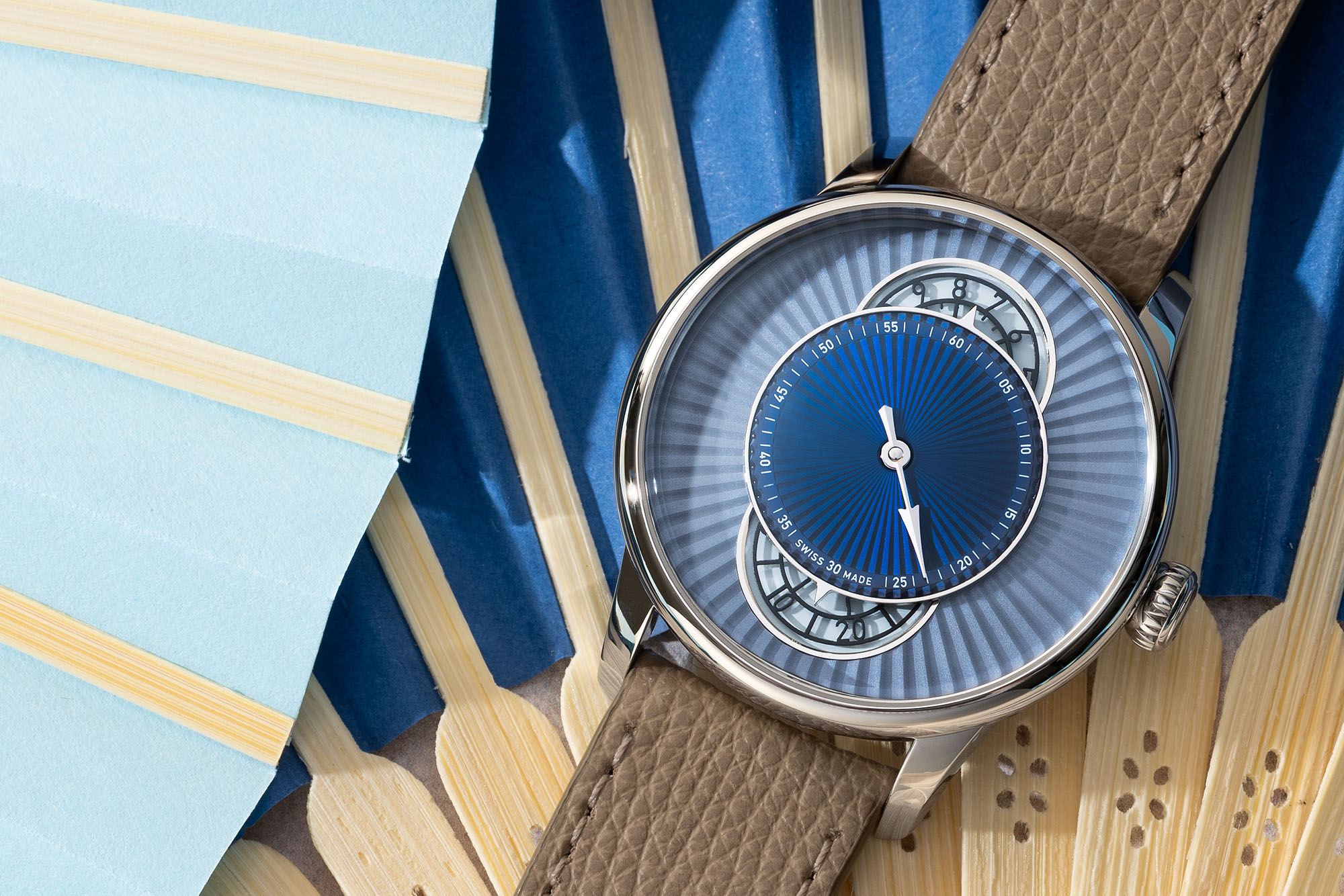
. Instead of simply framing two or three hands with minimal markers, seconde/seconde/ has printed a vertical scale that tells you how much of your watch should be covered by the cuff, depending on the dress code of your event.
That scale turns decades of dress watch dogma into a visual gag. Rather than arguing on forums about whether the case should sit completely hidden or just kiss the edge of the cuff, you get a graphic rule of thumb right there on the front of the watch. It is part etiquette guide, part meme, and it makes the watch feel instantly contemporary without any need for bright colours or oversized branding.
Flip the watch over and the humour continues. 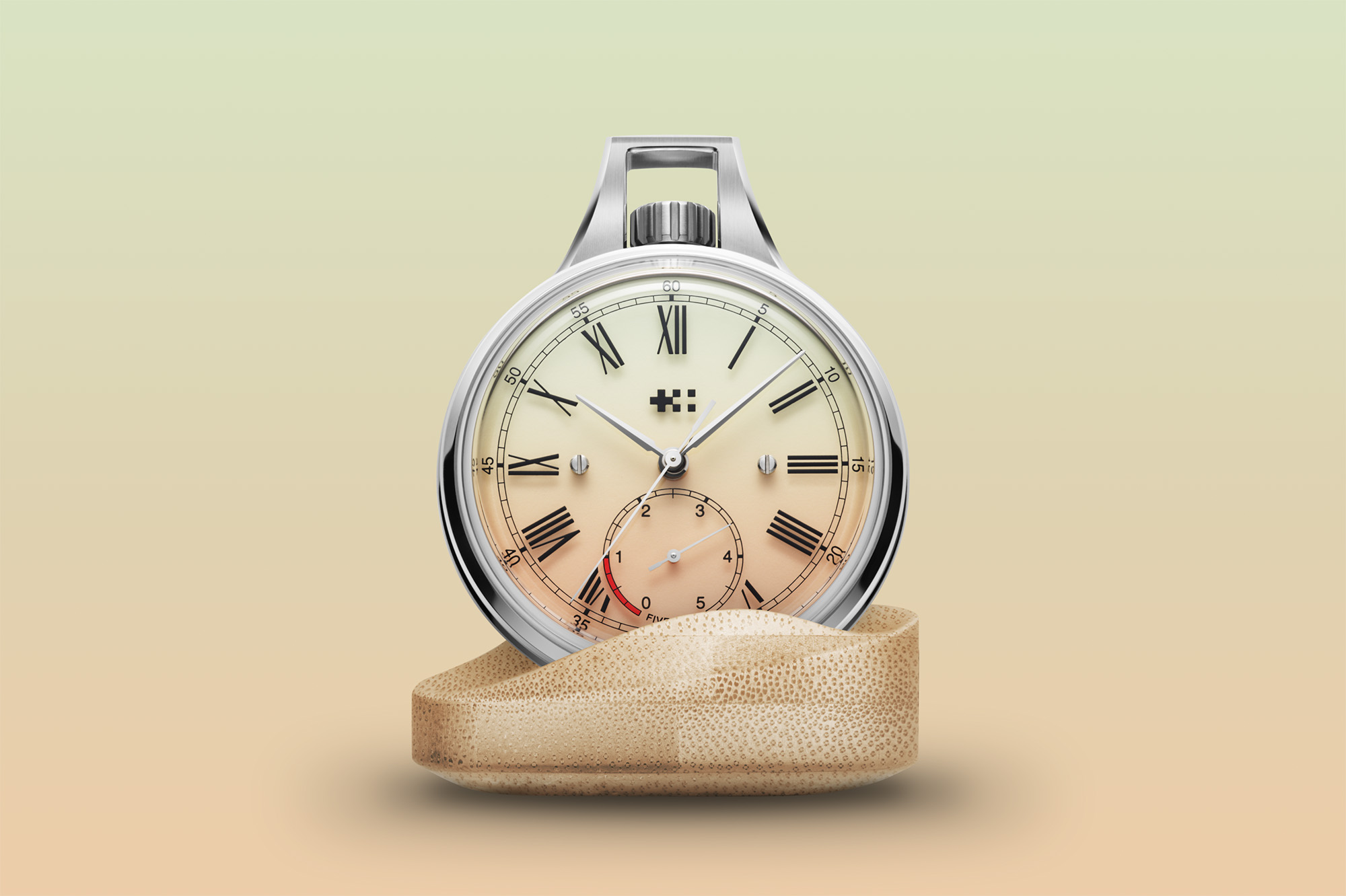
An engraving on the case back reminds you to remove the watch when winding it, preferably in dramatic fashion in the middle of a conversation. That line does two things at once: it gently teases the ritual of manual winding while also celebrating it. In an era where most people barely remember to charge their smartwatch, the idea of intentionally taking a watch off to feed it energy by hand is already a bit theatrical. The engraving simply invites you to enjoy that theatre instead of pretending it is invisible.
Underneath the jokes lives a serious, traditional core. The hand wound RW4100 movement offers around 45 hours of power, enough to get you through a weekend of events without feeling fragile. The choice of manual wind is not accidental. Dress watches historically often used hand wound movements precisely because they could be made thinner and because the act of winding fitted the ritual of dressing up. Keeping that detail here anchors the watch in genuine dress watch heritage, even as the dial has fun with the rules.
Only fifty pieces are being produced, which means the watch is not trying to be a mainstream crowd pleaser. Instead, it is clearly aimed at the subset of collectors who enjoy both traditional design and self aware humour. In SEO terms you might call it a modern dress watch for enthusiasts, but a more accurate description is that it feels like a small in-joke between people who know the old rules and are confident enough to bend them.
VIIS Flieger GMT: A Modern Pilot GMT From The Black Forest
From tailored cuffs we move to flight jackets. The VIIS Flieger GMT is the debut model from VIIS, a brand founded by Leonie and Josip Kozul and produced in Pforzheim, a city with deep industrial roots in the German Black Forest. For decades, Pforzheim has supplied cases, dials and components for other brands; it is fitting that a new independent would choose this region to reinterpret one of the most enduring genres in tool watches: the Flieger.
Historically, Flieger watches were oversized cockpit instruments with stark black and white layouts, designed for pilots who needed to read the time at a glance under stressful conditions. There were two main dial types; Type A with a simple hour track and Type B with an inner hour ring and outer minutes. The VIIS Flieger GMT leans into that Type B ancestry but updates it for travellers and everyday wearers rather than wartime pilots.
The 42 millimetre case is cut from 316L stainless steel, the industry workhorse that hits a practical balance between corrosion resistance and comfort. VIIS keeps the finishing honest: mostly brushed surfaces to hide scratches, with only subtle polished accents to catch the light. At 13.4 millimetres thick, including a double domed sapphire crystal, the watch has enough presence to feel like a real instrument, yet it will still slide under a casual cuff or a light jacket. One hundred metres of water resistance mean you do not have to baby it when weather, pools or sudden downpours show up.
The dial is where the Flieger GMT earns its pilot credentials. Large sword style hands, a precise minute track and a clearly printed 24 hour chapter ring create an immediate sense of order. A bright tipped GMT hand sweeps once around the dial every 24 hours, tracking a second time zone without clutter. Orange accents provide visual anchors, and Super LumiNova BGW9 lume ensures that the design remains legible when cabin lights dim or you are stumbling through an early morning commute.
VIIS offers three colourways, each named to evoke a different environment. The white Levante feels almost like an aviation instrument panel, clean and technical. The black Velebit leans into the stealthy, mission-ready side of the pilot watch genre. The blue Adriatic brings in a touch of sporty charm that feels equally at home on a weekend city break or a beachside evening. All come mounted on colour matched, two stitch leather straps that emphasise the watch as a piece of gear rather than jewellery.
Inside beats the Miyota 9075, a modern automatic GMT movement that has quietly become one of the most influential calibres in its price bracket. Crucially, it is a traveller or flyer GMT: the local hour hand can be adjusted independently in one hour jumps while the 24 hour hand stays locked to home time. For people who actually cross time zones, that distinction matters. It is faster, more intuitive and avoids hacking the movement every time you land somewhere new. The 42 hour power reserve is respectable, and serviceability is a strong point; watchmakers around the world have plenty of experience with Miyota architecture.
One could argue that applied indices or more elaborate case finishing would push the VIIS Flieger GMT into a more luxurious category, but that would also fight the positioning. The watch presents itself clearly as an adventure ready tool watch that does not pretend to be a luxury object. In a market flooded with faux heritage, that clarity is refreshing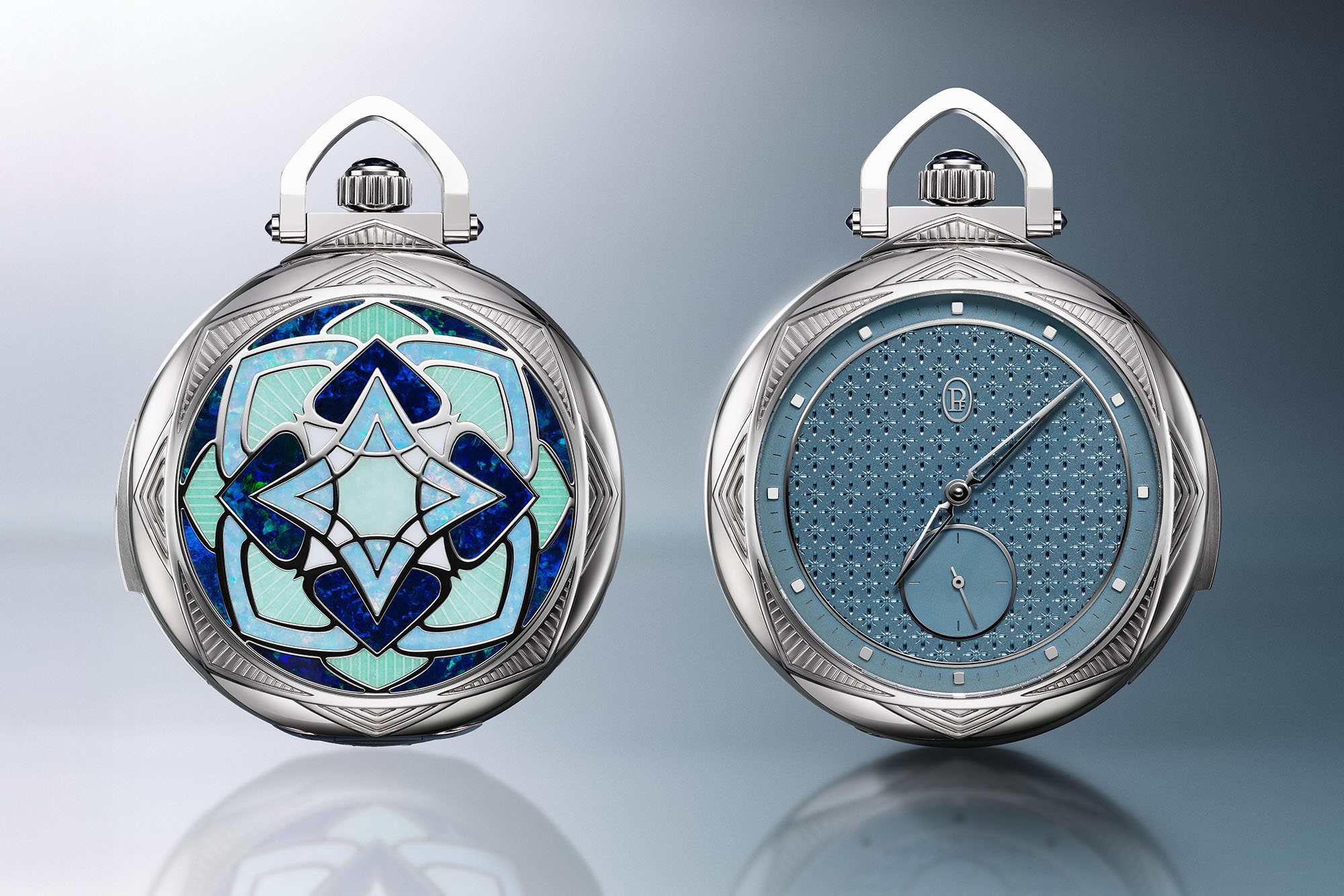
. For search queries like pilot GMT watch, independent German watch brand or traveller GMT under four figures, the VIIS is exactly the sort of piece people hope to find.
Studio Underd0g x Christopher Ward Alliance 02: A Neon Pocket Watch For A Niche Community
Pocket watches are not supposed to be relevant anymore. For most people, they conjure images of waistcoats, fob chains and sepia photographs. Yet part of the charm of modern collecting is that nothing is truly dead; it only waits for someone stubborn enough to bring it back in a new form. Studio Underd0g and Christopher Ward do exactly that with the Alliance 02.
Two years after their first Alliance collaboration, the Alliance 02 arrives as a 44 millimetre pocket watch produced to support the Alliance of British Watch and Clock Makers. On the surface, that idea sounds niche even by enthusiast standards: a modern taschenuhr, available only to Alliance members, built around a long power reserve movement. But one look at the dial makes it obvious that this is not an exercise in nostalgia.
The base dial is fully coated in luminous material in a bold Lemonade gradient, fading from intense yellow to softer tones. When the lights go down, the entire watch glows like a prop from a science fiction film, completely at odds with the stereotype of a pocket watch as a quiet heirloom. Above this luminous canvas floats a sapphire disc carrying the printed hour markers and power reserve scale, creating a layered, almost holographic effect. It is playful, contemporary and instantly recognisable as Studio Underd0g design language.
Behind the dial, Christopher Ward contributes serious mechanical muscle. The CW 001, previously known as SH21, is the companys first in house movement. It is a hand wound calibre with double barrels and approximately 120 hours of power reserve. That five day autonomy changes how one experiences the watch in daily life. Instead of winding constantly, you build a rhythm: wind the watch at the start of the week, enjoy the movement architecture through the display back and watch the power reserve slowly unwind over several days. The movement is regulated to chronometer level performance, even if there is no official certificate attached, which again underlines the intention to treat this as a serious horological object rather than a novelty.
The fact that the Alliance 02 is restricted to members of the Alliance adds a layer of clubbiness. It reinforces the idea that this is not meant as a broad commercial product. Instead, it serves as a fundraiser, a conversation piece and a proof of concept that a modern pocket watch can be expressive, high performing and highly community focused. It is easy to imagine many owners using it more as a desk clock, shelf sculpture or background character in watch photography than as an everyday timekeeper. That is exactly the point: in a collection dominated by wristwatches, the Alliance 02 becomes a highlight precisely because it refuses to play by the usual rules.
Louis Erard x Worn & Wound Regulator: Everyday Design For Complication Fans
Regulator dials occupy a peculiar place in watch culture. Historically, precision regulators were used in watchmaking workshops as reference clocks. They displayed minutes, hours and seconds on separate axes so that watchmakers could set and test movements with maximum clarity. On the wrist, this layout is completely unnecessary, yet it retains a powerful pull on a certain kind of enthusiast who enjoys functional quirks and visual asymmetry.
The Louis Erard x Worn & Wound Regulator leans into that niche while doing something rare: it makes a regulator look quietly wearable. At 39 millimetres in stainless steel, the watch lands in the modern sweet spot for an everyday piece. The case design is deliberate in its restraint, with slim lugs, a simple bezel and traditional finishing that fade into the background. That design choice leaves space for the dial to carry the story.
The dial is built in layers. A pale white base provides a calm backdrop, while a central cobalt lacquered disc adds visual weight without overwhelming the composition. Both surfaces are fluted, featuring fine grooves that catch and redirect light in a way that changes subtly throughout the day. The short central minute hand, rendered in Louis Erards signature fir tree shape, commands immediate attention. Hours and seconds are relegated to their own displays, using skeletonised wheels that recall modernist wall clocks and mid century industrial design.
Reading the time on a regulator is an acquired habit. You learn to check minutes first at the centre, then refer to hours and seconds in their separate positions. For some, that additional beat of cognitive load is part of the charm. It forces you to be present for a second instead of glancing unconsciously at your wrist. For others, regulators are simply beautiful mechanical curiosities, and the Louis Erard collaboration caters to both mindsets.
Power comes from the automatic Sellita SW266 1, a reliable Swiss movement that keeps servicing straightforward. Limiting the run to 99 pieces reinforces the enthusiast focus. This is not a watch designed to fill display windows in airports; it is a piece that will mostly travel from brand to collector and then straight into a watch box next to chronographs, dive watches and the occasional high complication. As a search term, regulator watch is niche, but those who enter it into a search bar are precisely the people likely to fall for this model.
Parmigiani La Ravenale: When A Minute Repeater Becomes A Myth
At the far end of the spectrum we find Parmigiani La Ravenale, a watch that lives firmly in the realm of haute horlogerie. Officially, it is a minute repeater created as a birthday tribute to Michel Parmigiani. Unofficially, it functions as a manifesto about what a modern high end watch brand can still do when commercial considerations are temporarily set aside.
At the heart of La Ravenale sits a minute repeater movement from the 1920s that has been painstakingly restored. Minute repeaters are already among the most complex traditional complications, chiming the hours, quarters and minutes on demand through tiny hammers and gongs. Taking a century old repeater movement, disassembling it, refinishing components, engraving bridges with palm motifs and then rehousing it in a new case is work that only a handful of artisans in the world can do at this level.
The case itself is crafted from 18 carat white gold, with surfaces worked by hand rather than simply milled and polished by machines. On the wrist, that sort of finishing has a different presence; edges feel softer, transitions more organic, and small irregularities tell you a human hand was there. But it is the dial and chain that push La Ravenale into near mythic territory.
The dial uses opal and jade marquetry, piecing together slivers of stone into a shimmering mosaic. Shades of green and blue shift depending on angle and light, creating an effect closer to stained glass than to a regular watch face. The technique requires exceptional precision. Unlike lacquer or paint, stone does not forgive. A miscut piece cannot simply be reworked; it has to be replaced. That level of risk is one reason such dials remain rare even in the high end segment.
Then there is the chain. Instead of sourcing a machine made chain, Parmigiani has it forged by hand link by link. From a purely functional standpoint, this is almost absurd; there are simpler, faster and more economical ways to suspend a watch. But from a storytelling perspective, it is perfect. It communicates that everything about this watch is the product of deliberate choices, many of which make no sense in a spreadsheet and every bit of sense in a narrative about devotion to craft.
La Ravenale is not for sale, which frees it from one of the most constraining questions in luxury: what price will the market tolerate. Instead, its job is intangible. It exists to make a founder smile, to ring out a melody of chimes on demand and to remind collectors and competitors alike that Parmigiani can operate at a level where the usual commercial logic simply does not apply. While most readers will never see it in person, it still influences how they perceive the brand. In that sense, it becomes less a product and more a myth shared through photographs, words and the occasional watch fair sighting.
What These Five Watches Reveal About Modern Watch Collecting
Put side by side, the Raymond Weil Toccata Heritage x seconde/seconde/, VIIS Flieger GMT, Studio Underd0g x Christopher Ward Alliance 02, Louis Erard x Worn & Wound Regulator and Parmigiani La Ravenale sketch out a map of contemporary watch enthusiasm.
- The Raymond Weil collaboration shows how even conservative segments like the dress watch category can be refreshed through humour and self awareness.
- The VIIS Flieger GMT illustrates the rise of serious independent brands using modern movements to deliver traveller GMT functionality at realistic prices.
- The Alliance 02 demonstrates that one of the oldest watch formats can be revived by leaning into bold design and community driven distribution.
- The Louis Erard regulator serves as a bridge between historical complications and daily wear, proving that niche layouts can be genuinely usable.
- La Ravenale stands as a reminder that haute horlogerie still thrives on projects that make no practical sense yet make perfect emotional sense.
For collectors searching terms like modern dress watch, independent pilot GMT, fun pocket watch or regulator dial watch, these pieces also answer a quieter question: is there still something new to say in watch design. The answer, at least this week, is yes.
Key Takeaways From This Flyback Watch Roundup
- Dress watches are evolving from silent, ultra conservative objects into pieces that can play with etiquette and still respect tradition.
- Pilot GMT watches like the VIIS Flieger GMT show how traveller style movements bring real value to frequent flyers and digital nomads.
- Pocket watches are not dead; they are shifting into desk companions, community symbols and experimental canvases for daring design.
- Regulator watches remain niche but reward owners with a different way of interacting with time and a strong design identity.
- Ultra high end projects such as Parmigiani La Ravenale act less as products and more as storytelling tools that shape a brands reputation.
FAQs About The Watches In This Edition Of The Flyback
What is a Flieger watch and why do collectors care about it?
Flieger watches originated as pilot instruments with extremely legible black and white dials. They prioritised quick reading of minutes and orientation in low light. Modern Flieger watches, like the VIIS Flieger GMT, keep that clarity but add features such as GMT hands, better water resistance and more wearable sizes. Collectors appreciate them because they combine honest tool watch design with rich history.
What is the difference between a traveller GMT and an office GMT?
A traveller GMT, like the Miyota 9075 inside the VIIS, allows you to adjust the local hour hand independently in one hour steps while the GMT hand stays on home time. That is ideal when you physically travel and change time zones. An office GMT usually has a jumping 24 hour hand instead, which is convenient if you stay in one place and simply track another time zone remotely. Both are useful, but traveller GMTs are particularly valued by frequent flyers.
Why are regulator dials considered special?
Regulator dials split time across separate displays for minutes, hours and seconds. Historically they were used in workshops as master clocks. On the wrist they force you to pause and read time in two or three steps, which some people find engaging and others find impractical. Their relative rarity and distinctive look make them attractive to collectors who enjoy unusual complications.
Are pocket watches actually practical today?
For most people, pocket watches are not practical in the same way a robust wristwatch is. However, they can still play meaningful roles. Pieces such as the Alliance 02 may live on a desk, in a display cabinet or be used as a focal point during watch meetups. Their larger size also allows more space for dial art and movement finishing, which makes them ideal for enthusiasts who value visual impact as much as day to day practicality.
Why do some high end watches have no price and are not for sale?
Watches like Parmigiani La Ravenale are often created as one off projects for founders, patrons or specific anniversaries. Because the brand does not intend to sell them, they do not carry a public price. Instead, they function as halo pieces, showcasing technical and artistic capabilities. Even if most collectors will never own them, they influence how all of the brands other watches are perceived.